Transform Your Meditation Room with Soothing Nature Wall Art for Calm & Focus
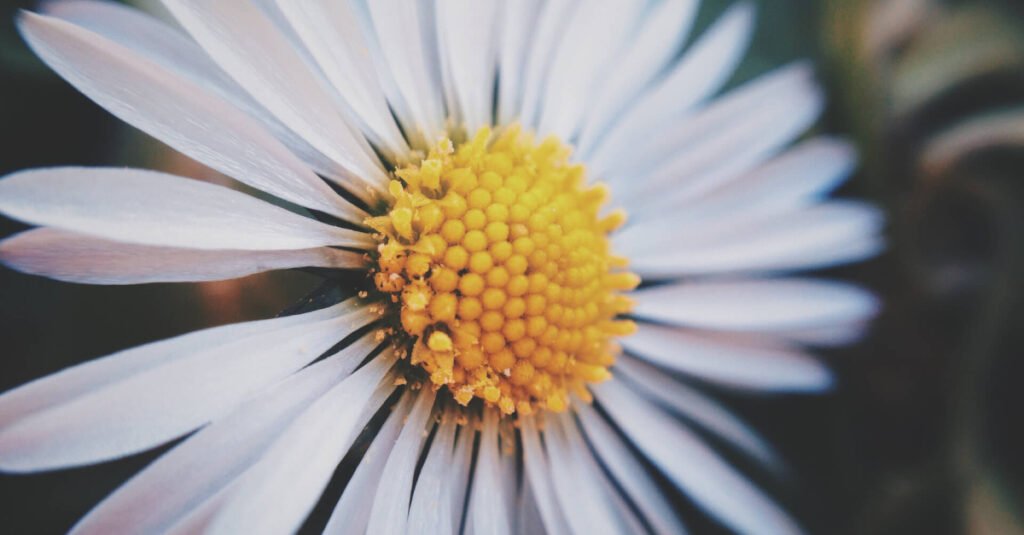
Creating a peaceful meditation space is all about setting the right mood. For me, nothing brings calm quite like nature-inspired wall art. It’s amazing how a simple image of a forest, ocean, or mountain can instantly ground you and invite a sense of tranquility.
I’ve found that surrounding myself with nature scenes helps me focus and deepen my practice. Whether it’s a vibrant sunset or a serene waterfall, these visuals connect me to the outdoors even when I’m inside. If you’re looking to enhance your meditation room, nature wall art might just be the perfect touch to bring balance and calm into your space.
Benefits of Nature Wall Art for Meditation Rooms
Nature wall art brings a unique energy to meditation rooms. It connects the mind with natural beauty, which supports deeper relaxation and focus during practice.
Enhancing Relaxation and Focus
I find that nature-themed paintings and photographs sharpen concentration by anchoring the mind on soothing visuals. The gentle lines of trees, waves, or mountains create a visual rhythm that guides breath and thought. Artworks featuring soft greens and blues reduce mental clutter, allowing the mind to settle quickly. For example, my gallery often showcases forest scenes and ocean views that patrons use to improve meditative focus. These pieces provide a stable point of attention, reducing distractions and encouraging peaceful reflection.
Creating a Calming Atmosphere
The presence of natural imagery instantly softens a room’s ambiance. I’ve noticed how a single large canvas of a serene lake or a field of wildflowers transforms the space into a sanctuary. The colors and textures in nature art mirror the calmness found outdoors, inviting calm without words. Installing such art in a meditation room helps reduce stress hormones and lowers heart rate, which many studies support. Personally, I select works with subtle movement and gentle contrasts to maintain harmony. This balance brings restorative energy that supports the meditative experience and encourages regular practice.
Types of Nature Wall Art for Meditation Spaces
Choosing the right nature wall art creates a tranquil backdrop that deepens meditation. I focus on pieces that evoke calm, balance, and connection to the natural world.
Landscape Paintings and Prints
I often recommend landscape paintings and prints because they capture vast, serene scenes like forests, mountains, and oceans. These visuals draw the eye gently into depth and space, helping the mind settle. Oil paintings layered with rich textures or fine photographic prints offer varied sensations—either warm brushstrokes or crisp detail—to complement different meditation styles. Landscapes anchored by soft horizons and muted tones reduce distraction and support a grounded environment.
Botanical and Floral Designs
Botanical and floral art brings focused calm through natural forms and structured patterns. I create and curate works that highlight leaves, flowers, and branches in close-up or stylized views. These provide organic repetition and subtle movement ideal for mindfulness. Watercolors and delicate line drawings open space for quiet reflection, while vibrant floral photography injects life without overpowering. The intimate scale encourages gentle observation, enhancing breath awareness during meditation.
Abstract Nature-Inspired Art
I embrace abstract nature-inspired art to convey energy and harmony beyond literal representation. Colors and shapes drawn from earth, water, and sky merge fluidly, stirring emotions subtly and freeing mental flow. My abstract work uses natural palettes—sage greens, ocean blues, warm terracottas—to evoke familiar calm. Such art fits meditation rooms seeking creativity and peaceful stimulation together. Textured canvases or mixed media pieces add dimensionality that invites touch and presence, making meditation a richer sensory experience.
Choosing the Right Nature Wall Art for Your Meditation Room
Choosing nature wall art for your meditation room starts with understanding how colors, themes, and personal meditation styles influence your space. Selecting art that resonates with your practice deepens the room’s tranquility and focus.
Considering Color Schemes and Themes
Picking colors that calm the mind matters most. Soft greens, blues, and earth tones evoke nature’s serenity and invite relaxation. I often suggest avoiding overly bright or harsh colors that distract during meditation. Themes focused on gentle landscapes, flowing water, or forest imagery encourage a peaceful mood. Floral and botanical prints work well when they show delicate details, reflecting nature’s quiet beauty. When selecting pieces, I look for harmonious color palettes that blend naturally with the room’s lighting and decor, reinforcing a steady sense of calm.
Selecting Art Based on Personal Meditation Style
Your meditation style shapes which wall art supports your practice best. If you practice mindfulness or breath awareness, I recommend artwork that features simplicity—like a single tree or a calm lake—allowing your mind to settle on one image without distraction. For guided visualizations or chakra work, brighter abstracts inspired by natural shapes and colors can activate the senses while staying grounded in nature. In my gallery, I let clients experience various art types to notice which images naturally draw their focus or evoke a feeling of peace. Trusting your instinct about the art’s energy ensures you select pieces that nourish your meditation journey.
Placement and Arrangement Tips for Meditation Room Wall Art
Mindful placement of nature wall art brings harmony to a meditation room, enhancing its calming energy. I focus on strategic positioning that supports relaxation and deepens the meditative state.
Optimal Wall Space and Height
Center nature wall art at eye level, roughly 57 to 60 inches from the floor. I position larger landscape paintings or photographic prints on the wall facing the main seating or meditation spot so the artwork naturally guides focus. Smaller botanical or floral pieces work well flanking a doorway or above shelving. Avoid overcrowding the wall to keep a sense of space and openness. I recommend leaving at least 6 to 12 inches between each piece to maintain visual balance. Placing art near natural light enhances colors and brings life, but direct sunlight can fade pigment, so I angle pieces to catch soft, indirect light.
Combining Art with Other Meditation Room Elements
Pair nature wall art with minimalist décor to maintain calm. I combine textured rugs, woven baskets, or wooden elements that echo the natural themes in the artwork. For instance, a photograph of a forest pairs beautifully with live plants or a wooden meditation bench. I avoid highly reflective frames that distract and opt for matte finishes in natural tones like wood or muted metals. Incorporating subtle lighting, such as wall sconces or LED strips behind art, creates gentle illumination that supports a tranquil mood. Balance is key: the art should complement the room’s function as a sanctuary of stillness and focus.
Caring for Your Nature Wall Art
Proper care ensures your nature wall art stays vibrant and inspiring, maintaining the peaceful atmosphere of your meditation room. I share my best tips from years as an artist and gallery owner to help you protect these calming pieces.
Cleaning and Maintenance Tips
Gentle dusting with a soft microfiber cloth keeps your artwork free of debris without risking scratches. For framed paintings or prints, I recommend dusting every two weeks to prevent buildup. Avoid spraying cleaners directly on the surface. Instead, lightly dampen the cloth with water if needed.
For canvas paintings, handle edges carefully to prevent distressing the texture. Photographs behind glass benefit from cleaning the glass with standard glass cleaner applied to a cloth, not sprayed directly. Check mounting and frames periodically to ensure they remain secure—loose frames can cause damage over time.
Preserving Artwork in Humid Environments
Humidity can harm wall art by encouraging mold, warping, or fading. I advise placing your nature wall art away from bathrooms, kitchens, or windows where moisture accumulates. If your meditation room tends to be humid, use a dehumidifier or air conditioner to maintain consistent levels.
For photographic prints and delicate papers, consider UV-protective glass framing, which also helps control humidity exposure. Canvas works respond well to sealed varnish coatings that I apply in my studio to protect against moisture.
Regular checks for signs of humidity damage allow early intervention, preserving your art’s beauty and the serene energy it contributes to your meditation space.
Conclusion
Creating a meditation room that truly feels like a sanctuary is a personal journey. Nature wall art has this incredible way of bringing calm and focus into the space, helping me connect more deeply with my practice.
When you choose pieces that resonate with you and care for them thoughtfully, they become more than just decorations—they become part of your meditation experience. It’s amazing how a simple image of nature can invite stillness and peace into your daily routine.