Complementary Color Wall Art: Bold Pairings to Energize Your Space with Vibrant Contrast
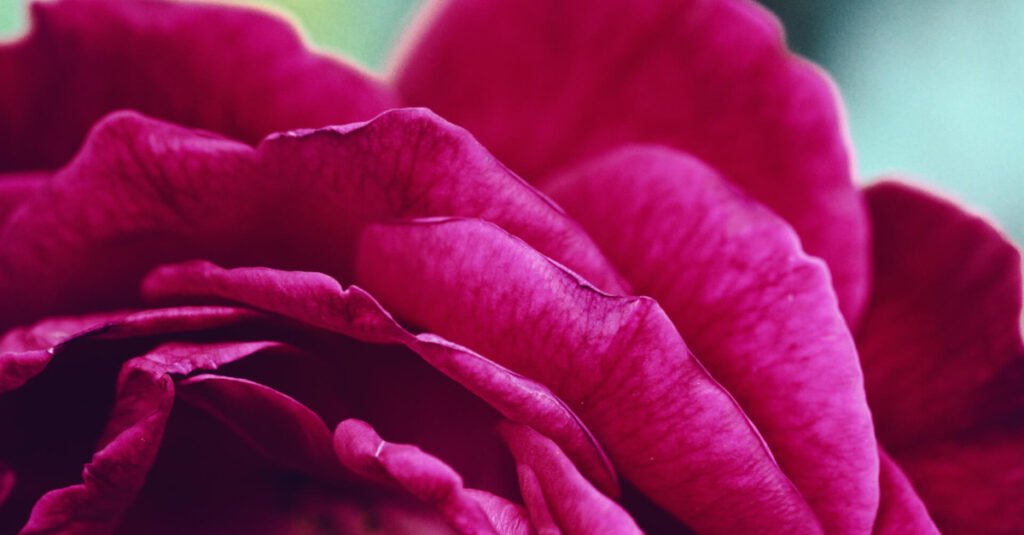
I’ve always been fascinated by how colors can transform a space, especially when they play off each other in unexpected ways. Complementary color wall art is one of my favorite ways to make a bold statement without overwhelming a room. When you pair colors that sit opposite each other on the color wheel, the contrast creates a vibrant energy that’s hard to ignore.
In this article, I’ll share why these bold pairings work so well and how you can use them to bring life and personality to your walls. Whether you’re into bright reds and greens or cool blues and oranges, there’s a perfect combo waiting to make your space pop. Let’s dive into the world of complementary colors and discover how to turn your walls into a striking art gallery.
Understanding Complementary Colors
Complementary colors unlock bold contrasts that energize any wall art display. I find their dynamic interplay essential to creating striking compositions that draw attention and inspire.
What Are Complementary Colors?
Complementary colors sit opposite each other on the color wheel. For example, red pairs with green, blue with orange, and yellow with purple. These pairs create maximum contrast while maintaining harmony. As an artist, I use these combinations to make elements in a painting pop and to guide viewers’ eyes across the piece.
The Science Behind Color Pairings
The impact of complementary colors comes from how our eyes perceive light. When placed side by side, these colors intensify each other, creating a vibrant effect that feels balanced, yet lively. This visual tension works well in wall art, providing depth and movement without overwhelming the space. When selecting art or designing a room, understanding this science helps me choose pieces that energize the environment and complement other decor elements.
Benefits of Using Complementary Color Wall Art
Complementary color wall art elevates any space with vibrant contrasts and dynamic visual appeal. These bold pairings make art the focal point while influencing the room’s overall atmosphere.
Creating Visual Impact
I find complementary colors create immediate visual impact by positioning opposites like blue and orange or red and green side by side. This contrast sharpens the edges and intensifies each color’s brightness. When viewing such wall art, the eye naturally fixates on the lively energy radiating from the piece. This effect turns a simple wall into a powerful statement without needing extra decor elements. Pieces using complementary schemes often become conversation starters because their contrast pulls viewers in.
Enhancing Room Mood and Energy
Complementary colors influence the room’s vibe by balancing warmth and coolness or calm and excitement. For example, a painting combining deep purple with bright yellow can uplift the mood while grounding the space. I notice that selecting complementary color wall art in living rooms or offices energizes daily routines and encourages creativity. These bold pairings provide movement and life, keeping a room from feeling static or dull. When placed thoughtfully, they elevate the energy level without overpowering other design features.
Popular Bold Complementary Color Pairings
Complementary color pairings bring undeniable energy and balance to wall art. Using these bold combinations creates dynamic focal points that brighten any space.
Blue and Orange
Blue and orange pairings command attention with their vivid contrast. I often use deep ultramarine blues against bright tangerine or burnt orange hues in my paintings to create a sense of movement and warmth. This combination energizes rooms with cool and warm tones simultaneously, ideal for living areas or studios. Photography featuring sunsets or urban scenes naturally highlights this pairing, adding vibrancy to your wall decor.
Red and Green
Red and green showcase classic complementary tension that feels both lively and grounded. I layer rich crimson reds with forest or olive greens to develop harmony that feels bold without overwhelming. This mix works well in dining rooms or libraries, where warmth and refreshment coexist. Botanical prints and abstract paintings using this pairing highlight nature-inspired contrasts, perfect for energizing your home with deep, lush color.
Yellow and Purple
Yellow and purple offer surprising intensity that enlivens any wall art. I combine bright lemon yellows with deep violets or eggplants to create striking contrast and balance. This pairing brings cheerfulness and depth that suits creative spaces or bedrooms. Floral photographs and expressionist paintings thrive with these colors, offering bright energy that complements thoughtful reflection.
Tips for Incorporating Complementary Color Wall Art
Using complementary colors in wall art brings energy and focus to any room. I’ve found that mastering bold pairings involves balancing their intensity and choosing the right scale and style for the space.
Balancing Bold Colors in Your Space
Start by letting one color dominate while using its complement as an accent. This prevents overwhelming the room, especially when the hues are highly saturated like bright red and green. For example, a large orange canvas becomes a warm focal point when paired with small blue decor like vases or cushions. I always suggest considering the existing room palette—if walls or furniture already feature one color, let your complementary art highlight it subtly. Also, natural light affects how bold colors read. I’ve seen deep purple and yellow look softer in shaded rooms but striking in bright sunlight. Mixing in neutral tones like white, gray, or beige helps the colors breathe and reduces visual fatigue.
Choosing the Right Scale and Style
Large wall art works well with simpler complementary schemes to avoid clutter. I often recommend bold pairings in oversized abstract paintings or minimalist photography that emphasize color blocks rather than intricate details. For smaller walls or nook areas, vibrant prints with complex designs create interest without overpowering the space. When selecting styles, I lean toward pieces that let color speak first, such as expressionist paintings or graphic posters. The texture also plays a role; glossy finishes amplify brightness, while matte surfaces soften contrasts. In my gallery, I pair different mediums to show how scale and style affect the energy of complementary colors in varied room settings.
Where to Find or Create Complementary Color Wall Art
Complementary color wall art offers bold, captivating statements that transform spaces. Finding or creating these pieces combines passion, knowledge, and a keen eye for color harmony.
Shopping for Ready-Made Pieces
I suggest exploring galleries specializing in contemporary and abstract art, where artists intentionally use bold complementary pairs like blue and orange or red and green to energize compositions. Online platforms like Saatchi Art or Artsy feature curated selections with filters to narrow down complementary color schemes. Local art fairs often showcase painters and photographers who experiment with these dynamic contrasts, providing unique options beyond mass-produced prints. When buying, pay attention to the artwork’s scale and whether its dominant and accent colors balance your room’s existing palette. Pieces printed on textured canvas or framed in minimalist styles enhance the color intensity without clutter.
DIY Ideas for Bold Art Pairings
Creating your own complementary color wall art deepens your connection to the space. Start with a simple color wheel to select pairs like yellow and purple or red and green. Use acrylic paints or mixed media on canvas to build layers of contrasting hues that pop. Photographers can capture scenes with natural complementary colors—such as a bright orange sunset against a deep blue sky—and print large-format pieces. Experimenting with geometric shapes or bold brush strokes lets you control the energy and tension in the artwork. I’ve found that balancing one vivid color with a softer complement prevents visual overload and maintains harmony. This approach makes creating art feel both accessible and personally rewarding.
Conclusion
Choosing complementary color wall art has been one of the most exciting ways I’ve found to breathe life into my space. The bold pairings not only catch the eye but also spark a unique energy that feels both balanced and vibrant.
I love how these contrasts invite creativity and add movement without feeling overwhelming. Whether you pick a striking piece or create your own, playing with complementary colors offers endless possibilities to make your walls truly pop.