Artist Techniques: Watercolor Wall Art Tips to Create Stunning Murals and Master Blending
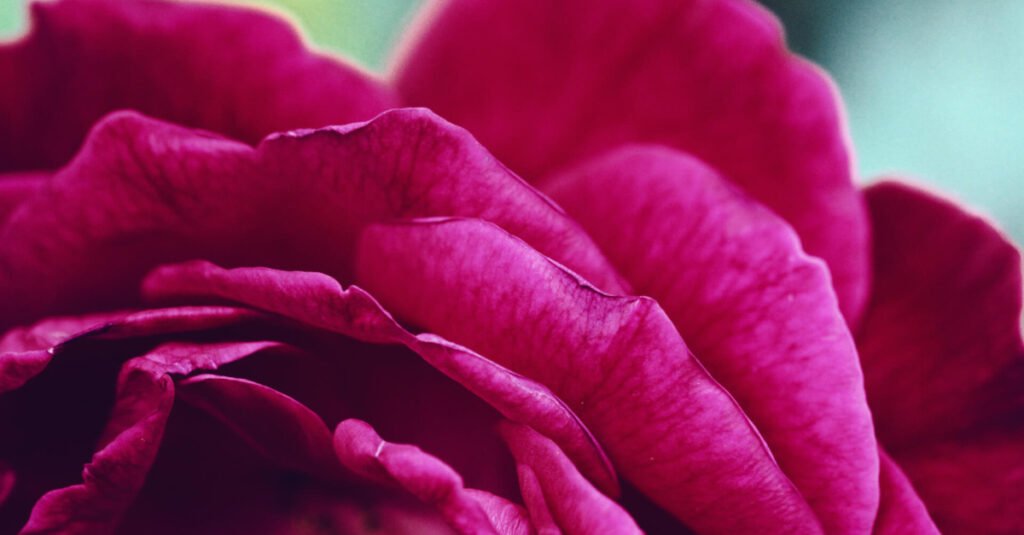
I’ve always been fascinated by how watercolor art can transform a simple wall into a vibrant story. There’s something magical about the way colors blend and flow, creating soft edges and unexpected textures that bring a space to life. Watercolor wall art isn’t just about painting on paper anymore—it’s about turning entire walls into canvases that express mood and personality.
In this article, I’ll share some of the techniques artists use to master watercolor on walls. Whether you’re a beginner or looking to try something new, you’ll find tips and inspiration to help you create your own stunning watercolor murals. Let’s dive into the world of watercolor wall art and discover how to make those delicate washes and bold splashes work beautifully on a larger scale.
Understanding Watercolor Wall Art
Watercolor wall art stands apart for its delicate translucence and fluidity. I’ve seen how its unique qualities add life to any space and captivate those who appreciate subtle yet vibrant home decor.
Unique Qualities of Watercolor as a Medium
Watercolor captures light unlike any other medium. Its transparency allows layers to blend naturally, creating depth with soft edges instead of harsh lines. I love how pigments move unpredictably on moist surfaces, producing textures and gradients impossible to replicate with oils or acrylics. This spontaneity gives each piece an organic, living character. Because it dries quickly, artists can build multiple washes of color swiftly, enhancing luminosity. The medium reacts to paper or wall texture, making every surface interaction unique. These qualities make watercolor ideal for large wall murals that breathe life into rooms without overwhelming them.
Popular Styles in Watercolor Wall Art
Watercolor wall art embraces various styles that fit diverse tastes. I often observe these popular ones:
- Abstract Landscapes: Artists use flowing washes to mimic skies, rivers, or forests, blending colors gently for an immersive effect.
- Botanical Illustrations: Detailed floral and leaf patterns with translucent shading create elegant, natural decor.
- Modern Geometrics: Combining crisp shapes with watercolor washes adds contrast and vitality to minimalist spaces.
- Figurative Art: Softly rendered portraits and silhouettes bring emotion and personality to walls.
Each style benefits from watercolor’s fluid grace, allowing both precision and freedom. Choosing a style depends on the room’s mood and your personal connection to the art.
Essential Tools and Materials
Crafting watercolor wall art demands specific tools that bring out the medium’s unique beauty. Selecting quality materials ensures vibrant colors and smooth techniques on large surfaces.
Types of Watercolor Paints
I recommend using artist-grade paints for durability and vividness. Tubes offer concentrated pigments, making them ideal for wall-size projects. Pans suit smaller details or touch-ups but lack the intensity of tubes. Transparency is crucial; transparent watercolors maintain luminosity on walls, unlike opaque versions that may appear flat. Brands like Winsor & Newton and Daniel Smith provide reliable consistency and pigment strength.
Choosing the Right Paper and Brushes
Since traditional paper doesn’t suit walls, I translate the paper’s texture by prepping surfaces with watercolor ground, simulating paper absorbency. This coating prevents paint from running and preserves color vibrancy. For brushes, I prefer synthetic rounds and flats in sizes 6 to 14 for broad washes and fine details. Synthetic fibers hold water well and withstand repeated use. Using the right brushes balances control and fluidity, key for capturing watercolor’s delicate flow.
Key Techniques for Watercolor Wall Art
Mastering watercolor wall art involves understanding core techniques that bring vibrancy and depth to large surfaces. These methods create distinct effects and styles that suit diverse spaces and moods.
Wet-on-Wet Technique
I use the wet-on-wet technique to achieve soft, flowing color transitions. Applying pigment onto a moist surface allows colors to spread naturally, blending without harsh edges. This method suits backgrounds, skies, or abstract forms where smooth gradients enhance the composition.
Dry Brush Technique
The dry brush technique adds texture and detail by using a nearly dry brush with minimal paint. I apply this to emphasize finer lines or create rough surfaces like tree bark or textured fabrics. It contrasts well with wet washes and brings tactile interest to the artwork.
Layering and Glazing
I build watercolor wall art by layering transparent washes. Each layer adds depth and refines tones without obscuring what’s beneath. Glazing—with diluted color over dried layers—intensifies hues and enriches shadows. This approach suits botanical subjects or figurative work, providing complexity with controlled transparency.
Creating Textures and Effects
Creating textures involves combining techniques and introducing tools like sponges, salt, or plastic wrap. For example, sprinkling salt on wet paint creates starburst patterns, while sponges lift pigment for soft mottling. I experiment with these effects to add visual intrigue and emulate natural surfaces within the mural.
Tips for Creating Stunning Watercolor Wall Art
Creating watercolor wall art involves more than skillful painting—it demands thoughtful choices in colors, composition, and preservation. Below, I share practical tips from my experience as a painter and gallery owner to help you create vibrant, lasting pieces that enhance any space.
Color Mixing and Palette Selection
Start by choosing a limited palette to maintain harmony across your artwork. I focus on three to five colors, mixing them to produce a range of tones without overwhelming the composition. Use transparent pigments to exploit watercolor’s natural luminosity. Test combinations on scrap paper to ensure smooth transitions. Avoid muddy colors by balancing cool and warm hues, and keep water ratios consistent for predictable intensity. Selecting a palette that matches the room’s lighting and décor enhances the art’s impact.
Planning Your Composition
Sketch your design lightly on the wall first to establish balance and flow. I use grid methods or project images to scale complex compositions accurately. Focus on focal points and negative space to guide the viewer’s eye. Keep in mind wall dimensions and sightlines within the room—it influences how details and colors appear from different angles. Planning layers in advance helps with drying times and prevents unintended blending. Compositions that interact with architectural elements, like corners or windows, create a more integrated feel.
Preserving and Displaying Your Artwork
Seal your watercolor wall art with a clear, matte varnish designed for delicate pigments to protect against fading and moisture. I recommend several thin coats applied with a soft brush or spray to avoid disturbing the paint. Consider lighting carefully—LED lights with adjustable warmth highlight translucent colors without heat damage. Position walls away from direct sunlight to prolong vibrancy. Frame or add subtle borders if possible to define edges without overpowering the work. Proper preservation ensures your watercolor wall art remains a captivating focal point for years.
Conclusion
Watercolor wall art has a unique way of bringing spaces to life with its delicate flow and vibrant hues. I’ve found that embracing the unpredictability of the medium makes the creative process both exciting and rewarding. Whether you’re just starting out or looking to refine your skills, experimenting with different techniques and materials can open up endless possibilities.
The beauty of watercolor murals lies in their ability to reflect your personal style while transforming any room into a dynamic canvas. I encourage you to dive in, trust your instincts, and enjoy the journey of turning walls into works of art that truly speak to you.